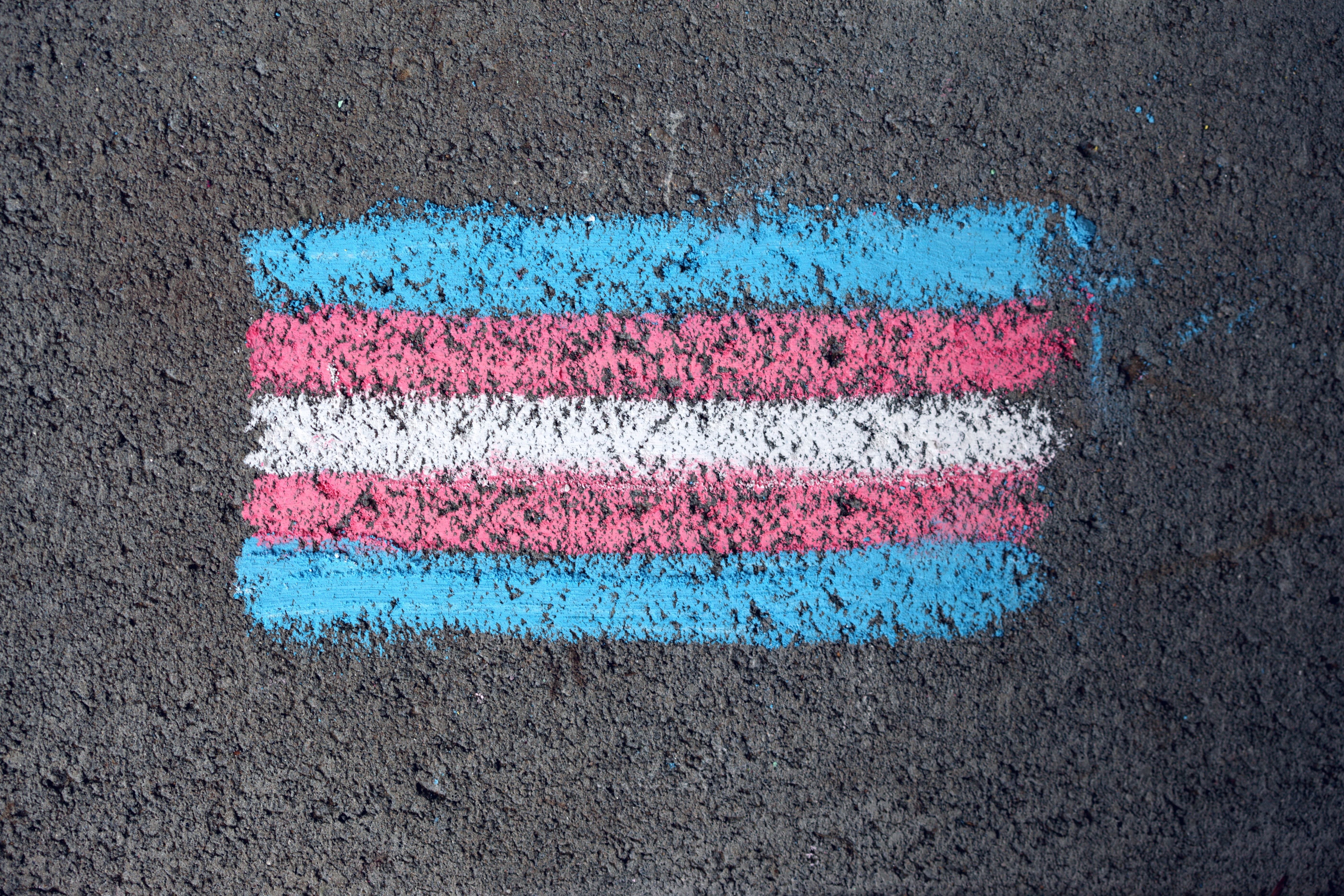
A few weeks ago, I stood watching the Bristol Pride parade.
As I watched thousands of people laughing, dancing, celebrating and simply existing as themselves, I felt profoundly emotional.
Not because Pride is perfect, or because discrimination has disappeared, but because there is something viscerally moving about seeing people experience joy in a world that hasn’t always allowed them to.
To witness trans, non-binary and LGBTQIA+ people taking up space without apology felt hopeful.
For many people, Pride is also a place where moments of gender euphoria become possible. Where being seen, recognised and celebrated for who you are can briefly outweigh the weight of misunderstanding, discrimination or fear.
And yet, as I watched, I couldn’t stop thinking about the conversations and recent legislation that have dominated the news in recent months.
For many people, this legislation may seem like a legal or political issue.
For many trans and non-binary people, it is deeply personal.
They’re wondering whether it’s safe to leave the house.
Whether using a public toilet will lead to confrontation.
Whether someone will question who you are.
Whether your existence will once again become something other people feel entitled to discuss.
That weighs heavily.
When Policy Becomes Personal
As counsellors, we’re taught to think deeply about what people need in order to live well. We understand that feeling psychologically safe, accepted and able to be authentically ourselves isn’t an optional extra, it’s a fundamental part of wellbeing.
When people are repeatedly told that their identity is controversial, questioned, debated or unwelcome, or when they experience misgendering, that can significantly affect their mental health. Anxiety, hypervigilance, shame and isolation are understandable responses to living in environments where safety cannot be taken for granted.
Those responses are not evidence that someone’s identity is the problem.
Too often, trans and non-binary people have experienced services that have, intentionally or unintentionally, pathologised who they are.
Being trans or non-binary is not a disorder to be treated, explained away or fixed.
Gender diversity is a natural part of human diversity.
The distress many people experience often comes not from being trans or non-binary itself, but from the minority stress created by prejudice, rejection, discrimination and barriers they encounter in the world around them.
There is an important difference between supporting someone with the impact of those experiences and treating their identity as though it is the problem.
As mental health professionals, that distinction matters.
What Counselling Can Offer
At its best, counselling can be a place where people don’t have to justify their existence before they can begin talking about their lives.
A place where someone’s gender identity isn’t something to be interrogated or justified, but simply accepted as part of who they are.
A place where curiosity replaces assumptions.
Where respect comes before judgement.
Where people are met as whole human beings, not reduced to a debate or a headline.
A Message of Solidarity
I know I can’t change legislation.
I can’t erase fear.
I can’t undo the hurt that many trans and non-binary people are carrying.
But solidarity matters.
Speaking up matters.
Letting people know they are seen matters.
To every trans and non-binary person reading this:
I’m so sorry that the world can feel so exhausting at times.
I hope there are spaces in your life where your name and pronouns are respected, your identity isn’t questioned, and you have the opportunity to experience moments of joy, connection and gender euphoria without fear.
That shouldn’t be extraordinary.
It should be ordinary.
Watching the Bristol Pride parade reminded me of what is possible when people are free to live openly, joyfully and authentically.
Everyone deserves to experience belonging. To know what it feels like to move through the world without having to constantly assess whether a space is safe, whether they’ll be accepted, or whether they’ll have to defend who they are.
My hope is that one day those moments won’t feel remarkable or fragile, but simply part of everyday life.
Standing in solidarity as an ally isn’t just about what we say. It’s about listening, learning, reflecting on our own assumptions, and continuing to build spaces where trans and non-binary people can be met with dignity, compassion and respect. That’s the commitment I want to keep making.
Leave a Reply